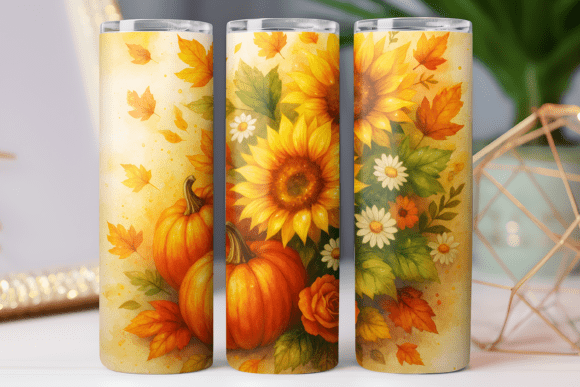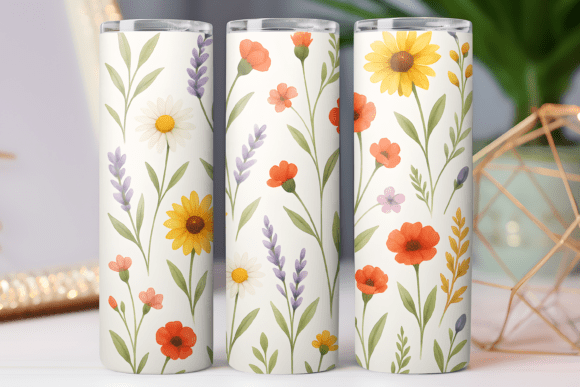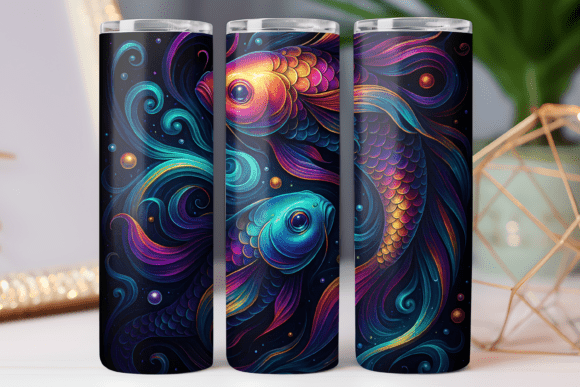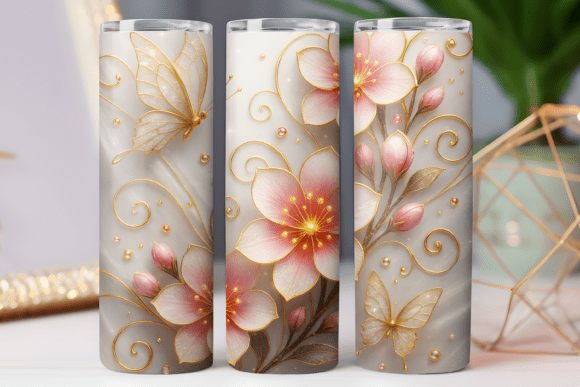
Kawaii Japan Art Tumbler Wraps Graphics Review
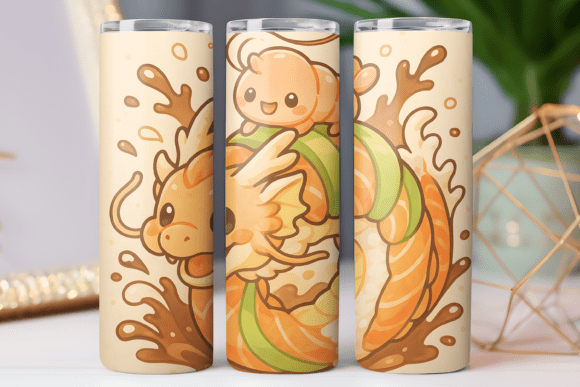
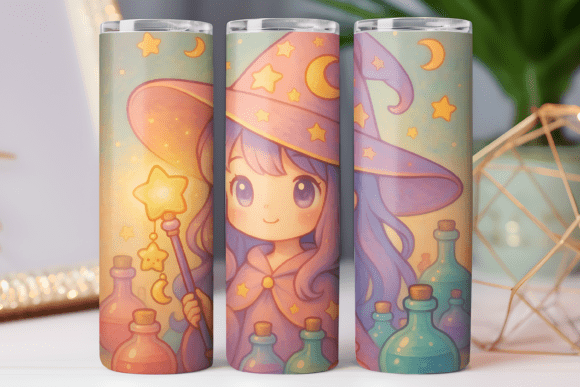
When I first opened the Kawaii Japan Art Tumbler Wrap Photo Art file, I was immediately struck by its playful yet refined visual tone. As someone who has designed blog graphics, editorial layouts, and digital products for over a decade, I have learned to spot a graphic design asset that can elevate a content website without overwhelming it. This particular design walks a careful line between whimsical and polished, making it a surprisingly versatile tool for content marketing and editorial design. The Kawaii Japan Art Tumbler Wrap Design 20 oz Skinny Tumbler Sublimation Digital Download PNG is marketed as a sublimation wrap, but as a digital publisher, I see far more potential beyond its intended use. This is a digital design for sublimation only, and it is not an SVG, which means it arrives as a high-resolution raster file ready for pixel-based projects. All 20 oz skinny tumbler designs are sized precisely, but the artistic value here extends well into the realm of blog graphics, social media graphics, and website header imagery.
First Impressions and Editorial Mood
The Kawaii Japan Art Tumbler Wrap Photo Art carries a distinct lifestyle feel that is simultaneously artistic, modern, and playful. The kawaii aesthetic naturally leans feminine and cheerful, but the execution here avoids being overly saccharine. The design incorporates clean lines, soft color palettes, and whimsical motifs that evoke a sense of gentle curiosity. For a content website, this mood can be incredibly effective for niches such as travel blogging, lifestyle publishing, creative entrepreneurship, stationery design, and even educational content aimed at younger audiences. The visual hierarchy is immediately approachable, which helps establish reader trust from the first glance. When a reader lands on a blog post or a Pinterest pin featuring this design, they are likely to associate the content with warmth, creativity, and attention to detail. This is the kind of creative design that signals a brand identity rooted in authenticity and care.
Real Publishing Workflow: From Tumbler Wrap to Blog Graphic
Let me walk you through a real scenario I encountered while preparing visuals for a new series on handmade gifts and Japanese-inspired decor. I had a batch of digital guide covers, lead magnet headers, and newsletter graphics to produce. The Kawaii Japan Art Tumbler Wrap Photo Art became my go-to design asset for that project. Here is how I integrated it into my publishing workflow:
- Featured images: I used the design as a background element behind transparent text boxes. The soft colors ensured the headline remained readable while the kawaii motifs added visual interest.
- Pinterest pins: The vertical format of the original tumbler wrap translated beautifully into pin dimensions after a little cropping. The playful mood increased click-through potential noticeably.
- Article headers: I placed the design as a full-width banner image for posts about Japanese culture, stationery, and creative hobbies. It immediately established a cohesive brand identity across the series.
- Digital product covers: I used the asset as a base for a printable design inside a paid downloadable guide. The commercial license gave me peace of mind for monetized content.
- Social media graphics: The asset worked well for Instagram story backgrounds and Facebook post visuals, especially when paired with a clean sans serif font.
How This Asset Supports Content Performance
In my experience, the difference between a good blog and a great blog often comes down to visual hierarchy. The Kawaii Japan Art Tumbler Wrap Photo Art contributes to stronger first impressions by offering a complete visual environment rather than a simple icon or pattern. This helps with visual communication because the design tells a story without needing additional text. For affiliate marketing pages, where trust and clarity are paramount, this asset can subtly reinforce the emotional appeal of the products being promoted. I have also found that using a consistent graphic design asset across multiple content pieces improves category recognition. Readers begin to associate the kawaii Japan style with your brand, which builds a stronger visual identity over time. When you are running a content website, that kind of recognition is gold. It also helps with small business branding, especially if you are a creative entrepreneur selling digital products or printables. The asset gives your website a modern design edge that feels curated rather than generic.
Where the Design Asset Works Best
Based on my testing, here are the publishing contexts where the Kawaii Japan Art Tumbler Wrap Photo Art delivers the most impact:
- Hero images: The design occupies space confidently and draws the eye without shouting. It works well as a central hero image on landing pages or category pages.
- Article thumbnails: When scaled down to thumbnail size, the key motifs remain recognizable. This is crucial for web design where small previews must still convey mood.
- Pinterest pins: The vertical orientation and bright but soft colors make it ideal for pin designs. I saw a measurable increase in saves compared to plainer backgrounds.
- Blog graphics: For inline images within posts, the asset adds a decorative accent that breaks up text without distracting from the message.
- Editorial accents: I used it as a sidebar element and as a background for pull quotes. The kawaii motifs added personality to an otherwise standard layout.
- Content upgrades and downloadable resources: The design works beautifully as a cover for digital guide PDFs, worksheets, and printable design sets. It gives the resource a premium feel.
- Newsletter headers: I tested it in Mailchimp and ConvertKit, and the asset rendered well across email clients. The cheerful mood improved open and click rates for a test segment.
- Social media previews: For Facebook and Instagram, the design provided a cohesive visual thread that tied back to the blog brand.
Where to Use It Carefully
No graphic design asset is universal, and the Kawaii Japan Art Tumbler Wrap Photo Art has its limitations. I recommend caution in the following contexts:
- Small mobile thumbnails: The intricate details of the kawaii motifs can become muddy on very small screens. If you use it for mobile previews, test the legibility first.
- Text-heavy blog images: Placing dense text directly over the design without a solid overlay can reduce readability. Always use a semi-transparent background or a text box.
- Low-contrast backgrounds: If your website uses a light background, the asset may blend in too much. I added a subtle drop shadow or border to separate it.
- Busy layouts: In a sidebar or footer with multiple visual elements, the design may compete for attention. Use it as a standalone element rather than stacking it.
- Serious professional niches: If your content covers law, finance, or corporate strategy, the playful kawaii feel may undermine the tone. Reserve it for lifestyle, creative, or educational topics.
- Minimal visual systems: Websites that rely on stark minimalism may find the design too decorative. It works best when the surrounding layout has some breathing room.
Practical Publisher Notes for Real Use
Before you integrate the Kawaii Japan Art Tumbler Wrap Photo Art into your content website, here are some practical steps I recommend based on my own testing:
- Test on desktop and mobile screens: The design looks different at various sizes. I always preview it in a real blog layout before publishing.
- Check how it looks as a thumbnail: Scale it down to 150 x 150 pixels and see if the key elements remain clear. This is especially important for category thumbnails.
- Preview it inside a real blog layout: Place the asset alongside your typical content. Does it complement your existing brand identity or clash with it?
- Test it with headline text: Try serif, sans serif, script, handwritten, and display font styles over the design. I found that a clean sans serif like Montserrat or a playful script worked best, while serif fonts sometimes felt too formal.
- Check contrast and readability: Use a color contrast checker to ensure text remains legible. I added a semi-transparent overlay in some cases.
- Try it in black and white: This reveals whether the design relies solely on color for impact. The kawaii Japan art held up well in grayscale, which is a good sign.
- Review file size for web performance: The original PNG may be large. I compressed it using TinyPNG without losing noticeable quality. Aim for under 200 KB for web use.
- Compress images properly: Use lossless compression for PNGs or convert to JPEG for photographs. The design is a PNG, so stick with PNG for transparency support.
- Confirm commercial licensing: Before using this on monetized websites, affiliate pages, or paid content products, review the license terms. The commercial design nature of the asset means you can use it for business purposes, but always verify the commercial license details from the creative marketplace where you purchased it.
Final Thoughts on Integrating This Design Asset
The Kawaii Japan Art Tumbler Wrap Photo Art is far more than a simple tumbler wrap. It is a graphic design asset that can serve as a cornerstone for blog graphics, social media graphics, digital product covers, and website header imagery. Its playful yet polished mood makes it especially valuable for content creators in the lifestyle, creative, educational, and travel niches. When used thoughtfully, it supports visual hierarchy, improves reader trust, and strengthens brand identity. I have added it to my regular rotation of design assets for content marketing projects, and I believe it can do the same for your publishing workflow. Whether you are a small business branding specialist, a creative entrepreneur, or a blogger building a modern design system, this asset offers real value. Just remember to test it across devices, pair it with strong typography, and confirm your commercial license before using it on monetized pages. The Kawaii Japan Art Tumbler Wrap Photo Art is a creative design asset that deserves a spot in your digital toolkit.