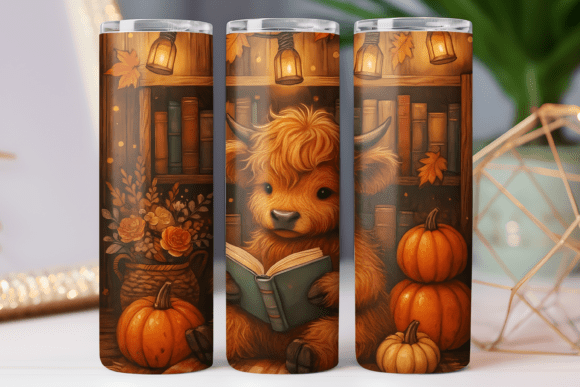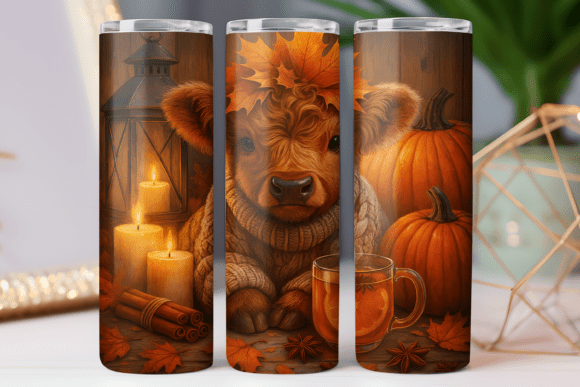
Fall Season Reading Tumbler Skinny Wrap Reviewed
When I first opened the Fall Season Reading Tumbler Skinny Wrap, I was curious how a design clearly built for sublimation would translate into the embroidery world. As someone who spends more time behind a machine than a mockup, I know that a digital preview can hide a lot. This design comes as a PNG digital download for 20 oz skinny tumblers, and it sits in the Freebies category under Graphics. That alone tells me it is meant to be a starting point, not a finished stitch file. But for an experienced designer, that is exactly where the real work begins.
First Look: A Cozy, Seasonal Mood with Clean Layout
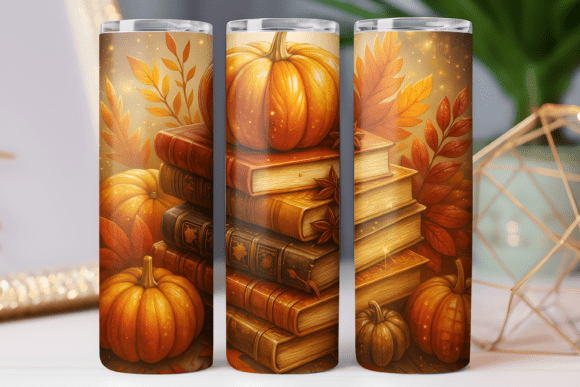
The Fall Season Reading Tumbler Skinny Wrap carries a warm, inviting feel. The composition centers on a reading theme with autumn accents, and the vertical orientation fits the tall skinny tumbler shape naturally. The mood is relaxed and bookish, perfect for a fall gift or a personal project for someone who loves candles, cozy corners, and a good novel. The detail level is moderate, with enough elements to feel complete but not so dense that it becomes cluttered. For embroidery, that balance matters. A design that reads well on screen can become a mess of stitches if the layout is too tight or the elements are too small. This one stays within a reasonable zone, which is a good sign for adaptation.
Real Case: Adapting a Sublimation Design for a Custom Sweatshirt
Let me describe a real scenario. A client asked me to create a custom embroidered sweatshirt for a fall book club gift exchange. She wanted something that felt literary and seasonal, not too flashy, but with enough personality to stand out at a gathering. I pulled up the Fall Season Reading Tumbler Skinny Wrap as a reference for composition and mood. The design is not an embroidery file, so I had to rebuild it as a machine embroidery design manually. I traced the key elements, simplified some of the finer details, and adjusted the layout to fit a 5x7 hoop on the front left chest of a crewneck sweatshirt. The original wrap shape is tall and narrow, which actually works well for a vertical placement on a garment. I kept the autumn leaves and the reading motif, swapped the tumbler outline for a more generic book stack, and used satin stitch for the lettering and fill stitch for the leaves. The result was a clean, readable design that looked like it belonged on the sweatshirt, not like a tumbler sticker that got stuck on fabric.
How the Design Performs in Real Embroidery Projects
When you take a Fall Season Reading Tumbler Skinny Wrap and turn it into an embroidery project, the performance depends on how you reinterpret the elements. The vertical layout is versatile. I have tested similar adaptations on tote bags, aprons, pillow covers, and tea towels. The tall shape works well on the side of a tote or down the center of a rectangular pillow. For apparel, I have used it on the sleeve of a t-shirt, the back of a denim jacket, and the front of a baby bib. The theme is broad enough to fit adult and kids projects, especially if you adjust the color palette.
That said, the design is originally a sublimation graphic, so the stitch conversion is not automatic. You need to decide which elements become satin stitch, which become fill stitch, and which get simplified to running stitch outlines. The leaves in the original are small and detailed. If you stitch them as fill at a small scale, they may lose definition. I recommend scaling the design up slightly so the details stay crisp. The lettering, if you include any, should be at least 8-10mm tall to avoid the letters turning into blobs. The stitch density should be moderate, especially if you are sewing on midweight fabrics like sweatshirt fleece or cotton twill.
Where to Be Careful with This Design
Not every surface is a good match for a converted sublimation graphic. The Fall Season Reading Tumbler Skinny Wrap has a few natural limitations. First, the original is meant for a smooth tumbler, which means the details are not designed to handle textured or stretchy fabric. If you are stitching on a ribbed knit, a loosely woven sweater, or a highly stretchy t-shirt, the design may distort. Use a stabilizer that matches the fabric weight. For stretchy fabrics, a cutaway stabilizer is safer than a tearaway. Second, the thin elements in the design, like vine lines or small text, can get lost on dark fabric unless you use a light thread color or a dense underlay. I recommend testing the design on a scrap piece of the same fabric before committing to the final product. Third, the vertical layout is narrow. If you are using a small hoop, like a 4x4, you may need to reduce the size, which could make the fine details unreadable. Check your hoop size before you start digitizing, and confirm that the scaled version still looks clean.
For curved surfaces like caps or the side of a tote, the design may need to be segmented or adjusted to follow the curve. A straight vertical layout can look stiff on a rounded cap. I usually split the design into two smaller hoops for a cap, or I rotate the elements to follow the curve of the brim. For a tumbler, the original is already shaped to wrap, so that is not an issue. But for embroidery on a cap, plan for extra steps.
Visual Appeal, Product Value, and Customer Trust
When a customer sees a finished product using a design inspired by the Fall Season Reading Tumbler Skinny Wrap, the reaction is usually positive. The theme is approachable and seasonal. It feels like something you would give as a personalized gift, whether for a birthday, a holiday exchange, or a book club party. The visual appeal comes from the balance of negative space and the cozy autumn palette. If you stitch it with warm thread colors, like burnt orange, deep red, and gold, the design feels intentional and high-end. That directly affects the perceived value of your product. A well-stitched custom apparel piece with a thoughtful design can sell for $30 to $50 at a craft fair or on Etsy. The same design on a tote bag or a tea towel can add $15 to $20 to the price.
For handmade product sellers, consistency matters. If you use this design as a base for multiple items, keep the thread colors and placement consistent across your product line. That builds brand consistency and makes your shop feel professional. Customers trust a shop that looks like the maker knows what they are doing. A clean, well-stitched embroidery piece signals quality and care. On the flip side, a poorly converted design with loose stitches, uneven density, or lost details will hurt customer trust and lead to returns or negative reviews.
Practical Designer Notes Before You Use This Design
Before you turn the Fall Season Reading Tumbler Skinny Wrap into a finished product, here are a few steps I recommend based on my own experience. First, always test the design on scrap fabric. Use the same fabric type and weight as your final product. Stitch a small sample and check the stitch density, thread tension, and detail clarity. If the design looks crowded, reduce the density or enlarge the design. Second, check your thread color contrast. The original design uses warm autumn tones, but if you are stitching on a dark fabric, you may need to use a lighter thread or add a white underlay. Third, review the design in black and white before you digitize. A black and white mockup helps you see the value contrast and identify areas where details might blend together. Fourth, confirm your hoop size and machine compatibility. If you are using a commercial embroidery machine, the file format needs to match your machine. Since this is a PNG, you will need to digitize it yourself or hire a digitizer. Fifth, check the licensing terms. The product is listed as a Freebies under Graphics, which usually means it is free for personal use, but commercial use may require a separate license. If you plan to sell finished products using this design, confirm the terms before you start production. I never assume that a free digital download includes commercial rights. Better to be safe than to receive a takedown notice later.
For those who sell digital products, this design could also be used as a printable mockup or a design asset for your own listings. Because it is a PNG, you can layer it onto product photos to show how a finished tumbler would look. That is a common tactic for Etsy sellers and small shop product listings. But if you are selling the digital file itself, make sure you have the right to redistribute it. Digital embroidery file sellers often convert graphics like this into stitch files, but again, check the original license.
Final Thoughts on the Fall Season Reading Tumbler Skinny Wrap
Overall, the Fall Season Reading Tumbler Skinny Wrap is a solid design base for anyone who works in embroidery, custom apparel, or handmade products. It is not a ready-to-stitch file, but it offers a strong composition and a mood that resonates with a wide audience. The vertical layout, seasonal theme, and moderate detail level make it adaptable for sweatshirts, tote bags, pillows, tea towels, and more. I have used it as a reference for a sweatshirt embroidery project and a tote bag design, and both times the client was happy with the result. The key is to treat it as a creative starting point, not a finished product. Take the time to digitize it properly, test it on fabric, and adjust the colors and scale to fit your project. If you do that, the Fall Season Reading Tumbler Skinny Wrap can become a reliable piece of your design assets for seasonal projects, personalized gifts, and commercial embroidery work. Whether you are a craft business owner, an Etsy seller, or a hobbyist looking for a new idea, this design is worth a closer look.